Andrew Cohen

Surface Water and Groundwater Contamination by Herbicides

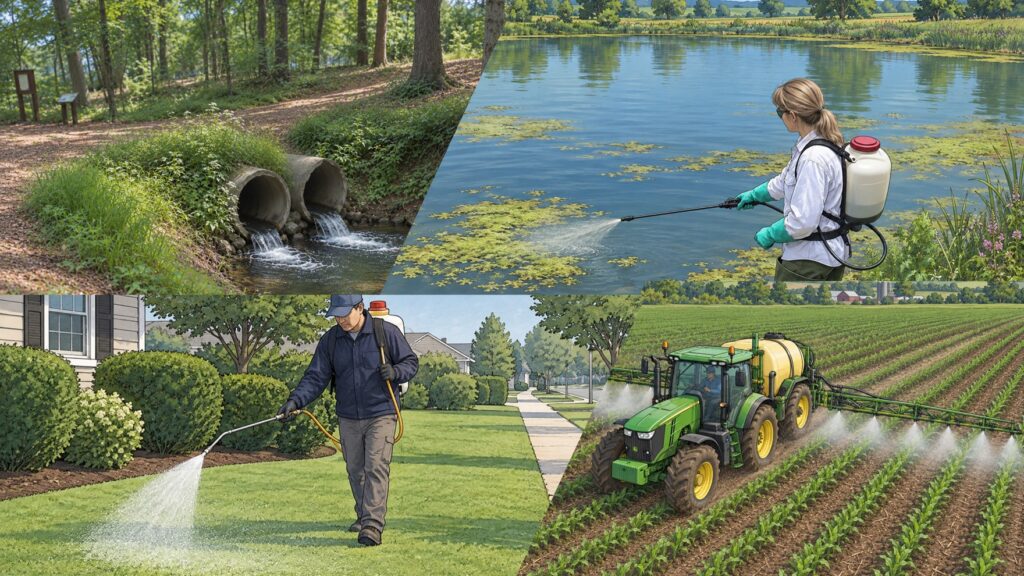
How do herbicides reach surface water and groundwater, and how can their sources be identified? Contaminant hydrogeologist Dr. Andrew Cohen explains the transport processes and environmental evidence relevant to herbicide contamination and source attribution.     • Herbicide runoff to streams and ponds through dissolved chemicals and suspended sediment. • Stormwater drainage as a pathway […]

Surface Water and Groundwater Contamination by Herbicides Read More »
PFAS Class Action Defense

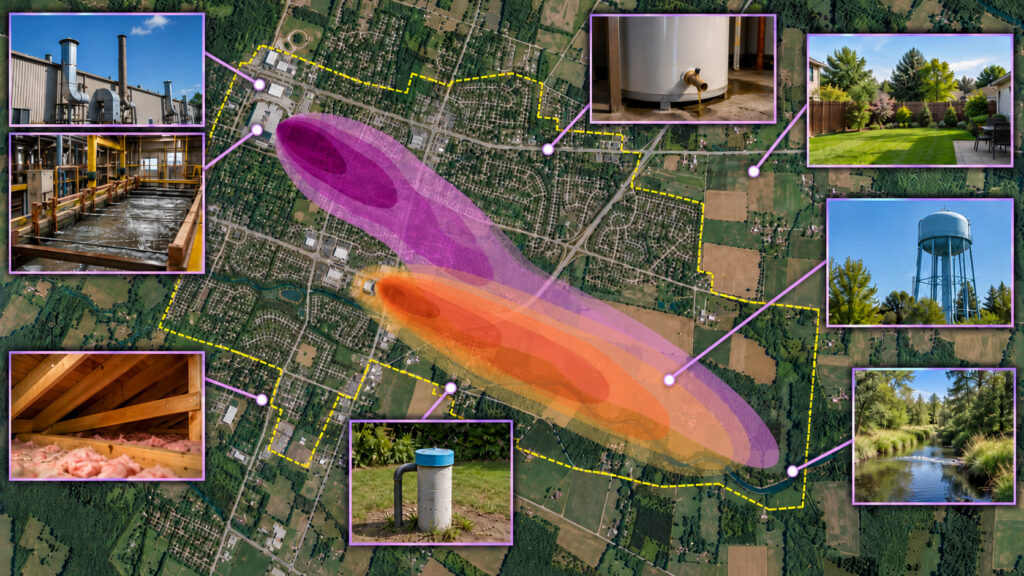
Served as a hydrogeology expert retained by defendants in a class action associated with PFAS-containing mist suppressants used for metal plating. Provided scientific analyses and expert rebuttal that challenged allegations of a single contamination source, widespread uniform impacts, and common remedies, helping defense counsel achieve a favorable settlement.   Retained as a testifying expert by

PFAS Class Action Defense Read More »

Multiparty Contaminant Source Assessment – Fractured Rock Aquifer

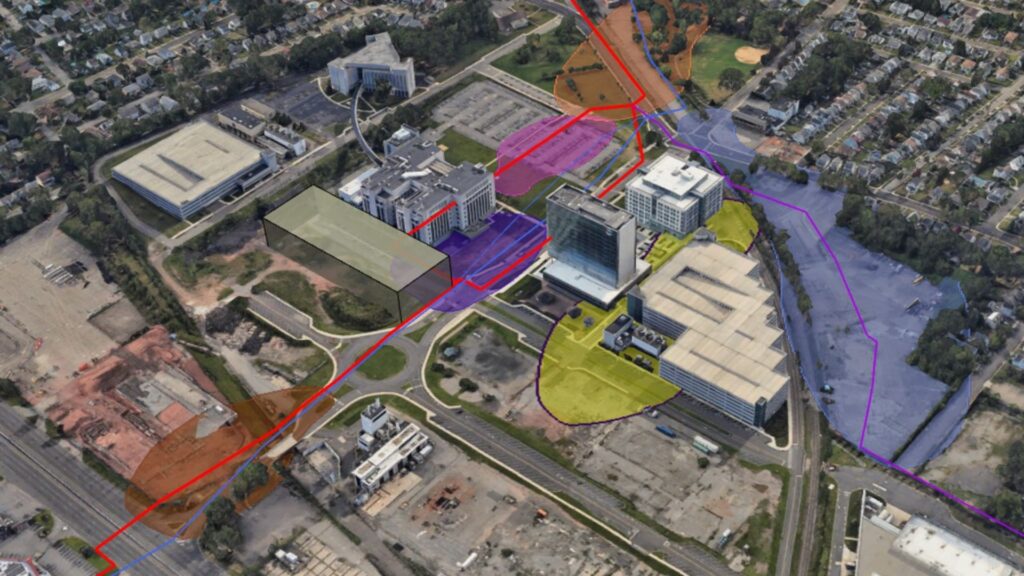
Investigation design and analysis of hydrogeologic data at complex fractured bedrock site enabled identification of PRPs responsible for groundwater plumes beneath and downgradient of manufacturing plant. Investigation findings provide a basis for remedial design and plume apportionment. Prepared a comprehensive Conceptual Site Model report for legal counsel.   Process   Development of the CSM was

Multiparty Contaminant Source Assessment – Fractured Rock Aquifer Read More »

Herbicide Contamination and Source Attribution

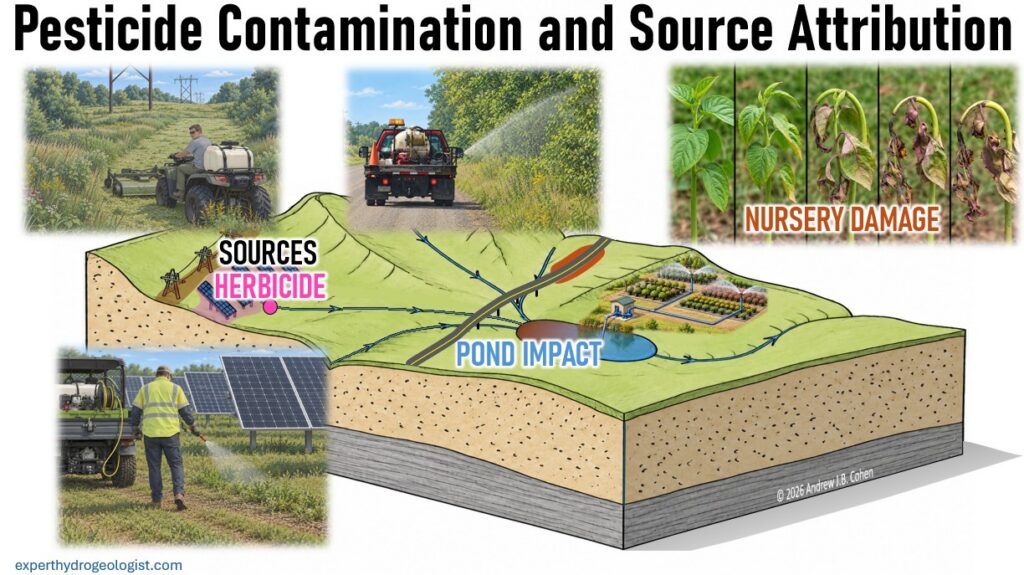
Provided technical consulting support in a multi-party environmental dispute involving alleged herbicide contamination of an irrigation pond and damage to commercial nursery plants.   The assessment focused on herbicides used for vegetation management at nearby solar facilities, utility corridors, and rights-of-way. The objective was distinguishing among multiple potential sources that could have resulted in contamination

Herbicide Contamination and Source Attribution Read More »

“Introduction to Groundwater Contamination by PFAS at Airports and Military Bases”

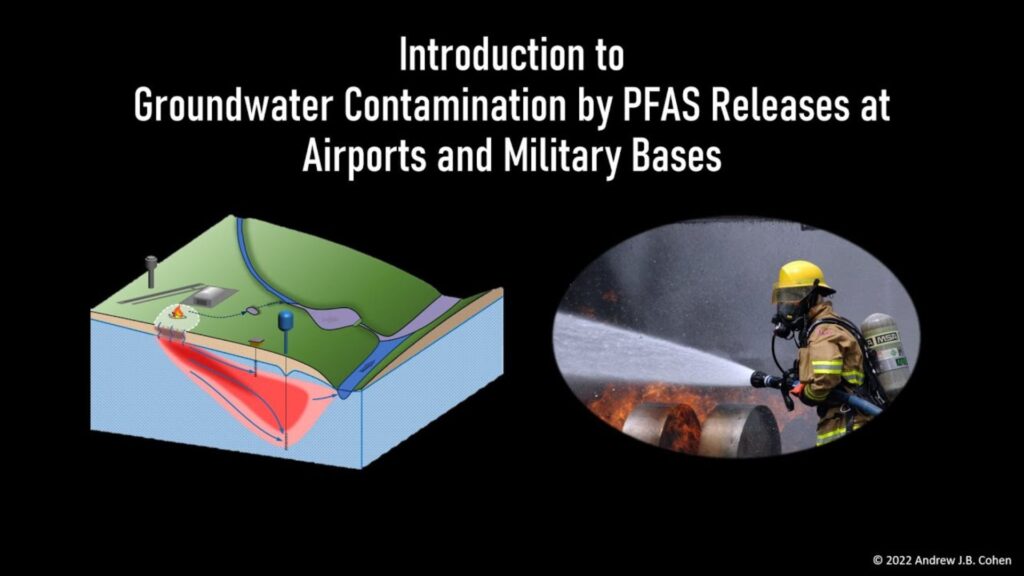
The short video below describes the composition, use, and potential effects of PFAS-containing firefighting foam known as Aqueous Film Forming Foam (AFFF). It includes pictures and animations that illustrate the evolution of a groundwater plume from a fire training area, the potential impact of the plume on groundwater and municipal water supply, and various other

“Introduction to Groundwater Contamination by PFAS at Airports and Military Bases” Read More »

Surface Water Bacterial Contamination – Pro Bono Technical Support

Engaged as a technical advisor to assist a resident in identifying appropriate surface water sampling locations to investigate bacterial contamination. The resident had measured high concentrations of coliform and E. coli bacteria in a creek running through their property after experiencing a rash from bathing/swimming in the water.   The objective of the investigation is

Surface Water Bacterial Contamination – Pro Bono Technical Support Read More »

EPA’s Unprecedented Interim Drinking Water Health Advisories for PFOA and PFOS

By Joe Cotruvo(1), Susan Goldhaber(2), and Andrew Cohen, Issue Paper in Groundwater, February 20, 2023.   1. Former Director, USEPA Drinking Water Standards Division. 2. Former Toxicologist, USEPA     Per- and polyfluoroalkyl substances (PFAS) are persistent and widely distributed in the environment from commercial products and waste process residues, including in surface waters usually

EPA’s Unprecedented Interim Drinking Water Health Advisories for PFOA and PFOS Read More »

Early Insight

Problem Statement Traditional environmental consulting company workflows delay early technical understanding of site conditions, forcing Case Teams to make decisions without a clear technical foundation. Traditional Processes Delay Strategic Understanding GIS and laboratory data digitization-first models postpone meaningful case analysis. Environmental consultanting companies focus on processing data, not synthesizing strategic insights. Valuable nuances that may

Early Insight Read More »

PFAS Fingerprinting – Appeal and Caveats

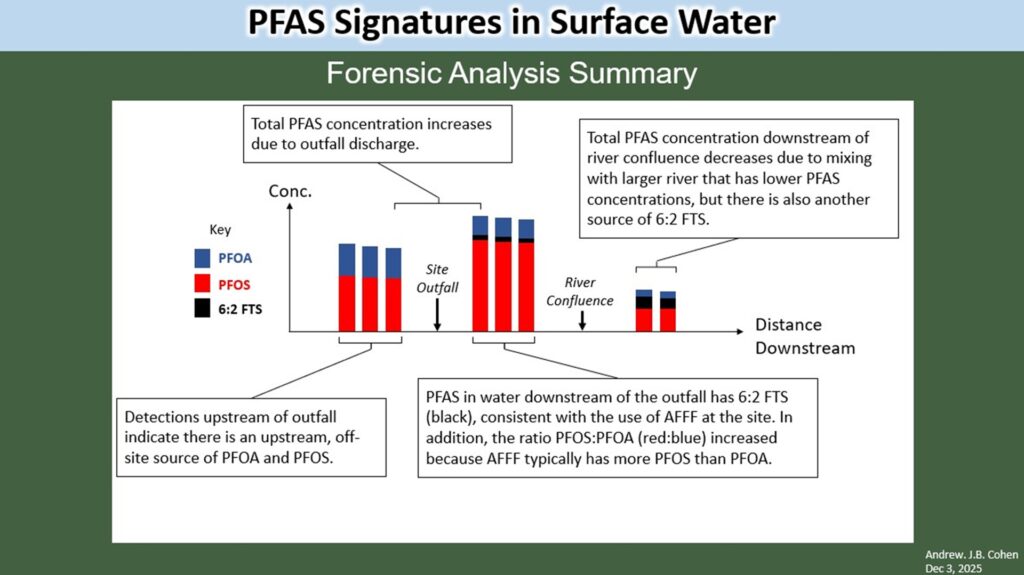
This video is meant for educational purposes; it presents simple PFAS fingerprinting scenarios; One involves two rivers and a fire training facility as a potential PFAS source. The goal is to identify the origin of PFAS detected in downstream surface water samples. A second scenario shows groundwater concentrations in monitoring wells, initially suggesting multiple sources.

PFAS Fingerprinting – Appeal and Caveats Read More »

Conceptual Understanding of PFAS Fractionation in Groundwater

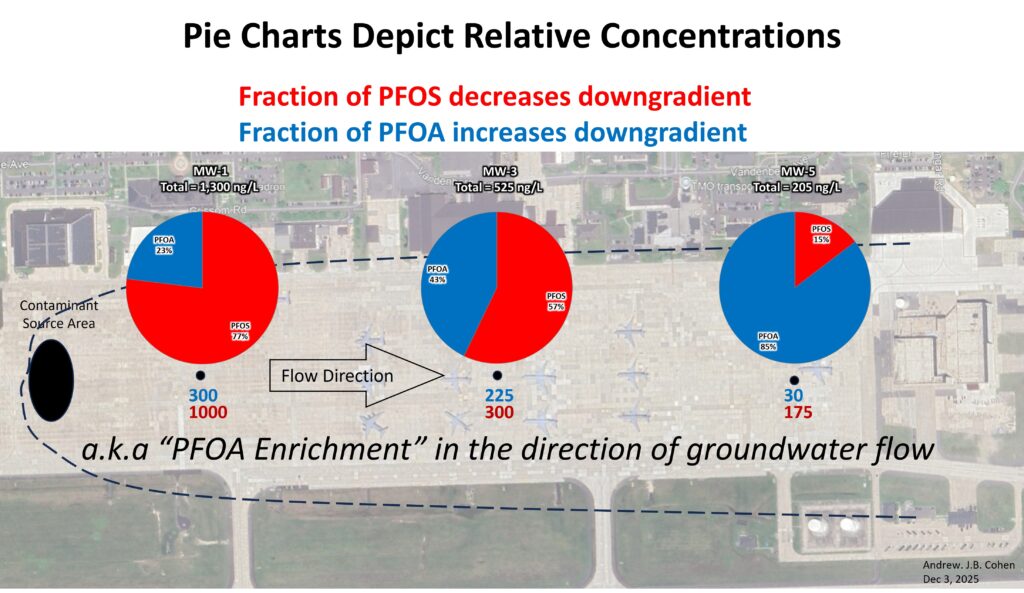
This video explains why PFAS “chemical signatures” measured in groundwater can differ from place to place even when there is only a single contaminant source. The concept of PFAS fractionation (also referred to as PFAS enrichment) is a fundamental fate-and-transport process driven by differential sorption to organic carbon in aquifer materials. This microscale and macroscale

Conceptual Understanding of PFAS Fractionation in Groundwater Read More »