
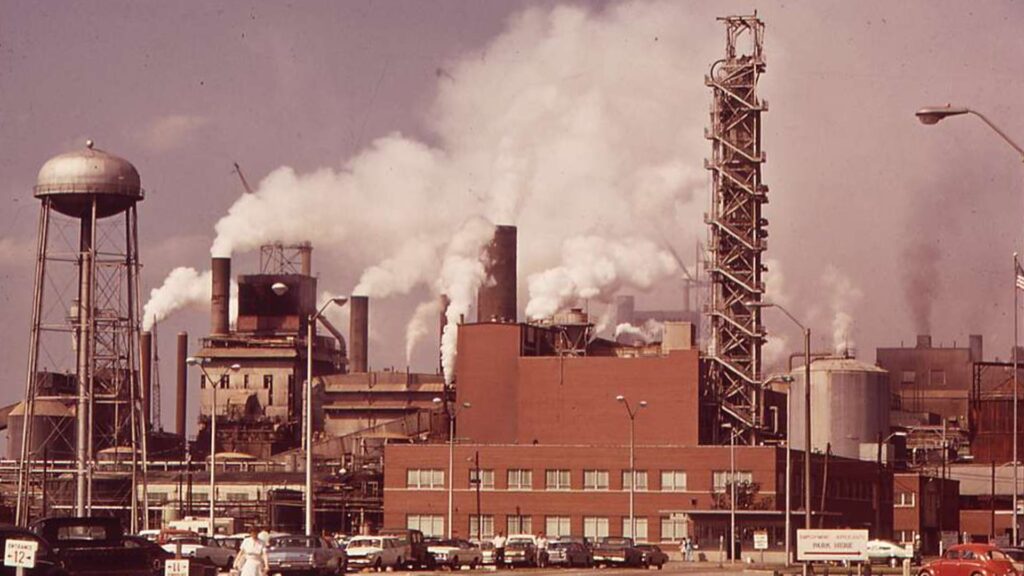
Independent forensic hydrogeology review of a large-scale groundwater remediation cost estimate prepared for a former industrial site.
Why This Engagement Mattered
- Cleanup cost estimate exceeded $1.7 billion
- Cost driven primarily by assumed contaminant mass rather than measured conditions
- Required technical scrutiny beyond routine environmental review
Scope of Review
- Examined conceptual site model and historical investigation data
- Reviewed assumptions used to define contaminant extent and mass
- Assessed calculation methods for internal consistency and proper use of site data
- Evaluated remedial assumptions used to convert contaminant mass into projected costs
- Performed independent mass recalculations using defensible hydrogeologic inputs
Technical Focus
- Dense non-aqueous phase liquids (DNAPL)
- Chlorinated solvents and petroleum-related compounds
- Key constituents included PCE, TCE, benzene, chloroform, carbon tetrachloride, and lead-containing compounds
This engagement demonstrates how forensic hydrogeology is used to evaluate the foundation of high-dollar environmental claims by isolating assumptions, calculations, and technical drivers of projected cleanup costs.