
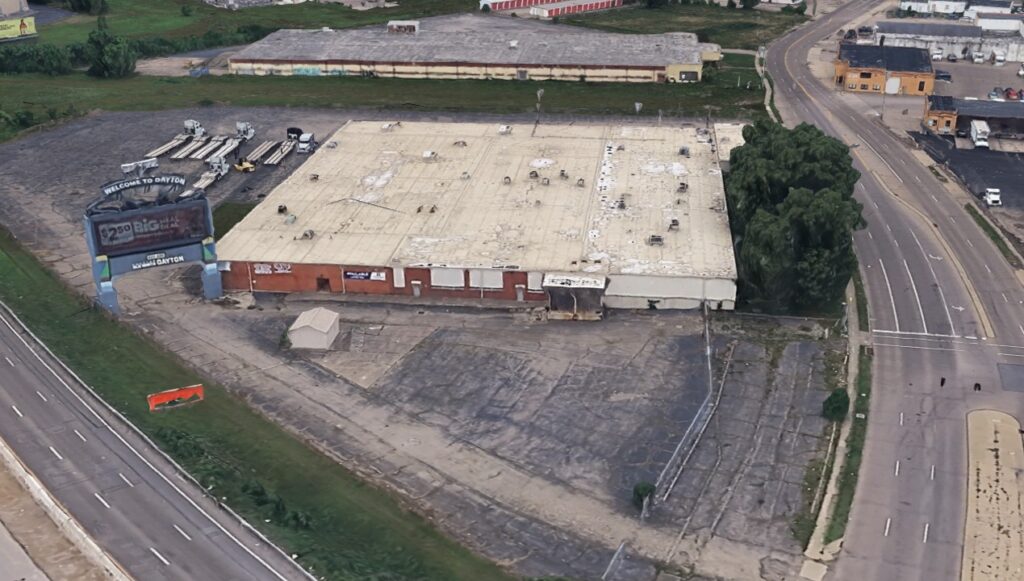
Forensic hydrogeologic evaluation of chlorinated solvent contamination using chemical, hydrogeologic, and historical data analyses to assess potential responsible party status.
Why This Engagement Mattered
-
Responsibility for PCE- and TCE-related soil and groundwater contamination depended on whether releases pre- or post-dated specific ownership and operational periods.
-
The technical dispute centered on contaminant age, plume origin, and groundwater transport timing.
-
Existing regulatory interpretations did not reconcile contaminant chemistry with hydrogeologic conditions and site history.
Scope of Review
-
Reviewed historical ownership and operational records, waste manifests, and regulatory site documentation.
-
Evaluated soil and groundwater analytical datasets across multiple monitoring intervals.
-
Performed compound-specific forensic analysis of chlorinated solvent chemistry, including impurity evaluation (1,1,2-trichloroethane) to assess contaminant age.
-
Conducted groundwater flow direction and velocity calculations and compared calculated travel times to observed plume geometry and monitoring well detections.
-
Evaluated vertical stratification of contamination between shallow and deeper aquifer zones.
-
Assessed data quality and interpretability using oxidation-reduction potential and dissolved oxygen measurements relevant to degradation pathways.
-
Reconstructed expected contaminant mass and concentrations based on historical waste handling and disposal records and compared them to observed groundwater data.
Technical Focus
-
Media: Soil and groundwater
-
Contaminants: Chlorinated solvents including PCE, TCE, and TCA
-
Concepts: Chemical impurity age dating, groundwater flow and travel time analysis, plume stratification, data quality evaluation, and conceptual site model validation
Closing Summary
-
This engagement demonstrates how forensic hydrogeology is applied to responsible party evaluations by performing specific, defensible data analyses that test assumptions related to contaminant age, transport mechanisms, and source attribution relevant to liability determinations.
“Andrew’s analysis of soil and groundwater contamination was central to our liability allocation case. He reviewed all data, created clear visuals for counsel and clients, and helped develop a remediation plan accepted by Ohio EPA. His work supported key cost-allocation arguments and contributed to a favorable settlement. I continue to recommend him in my post-retirement advisory role.”
– Wray Blattner, Thompson Hine, LLP