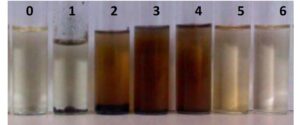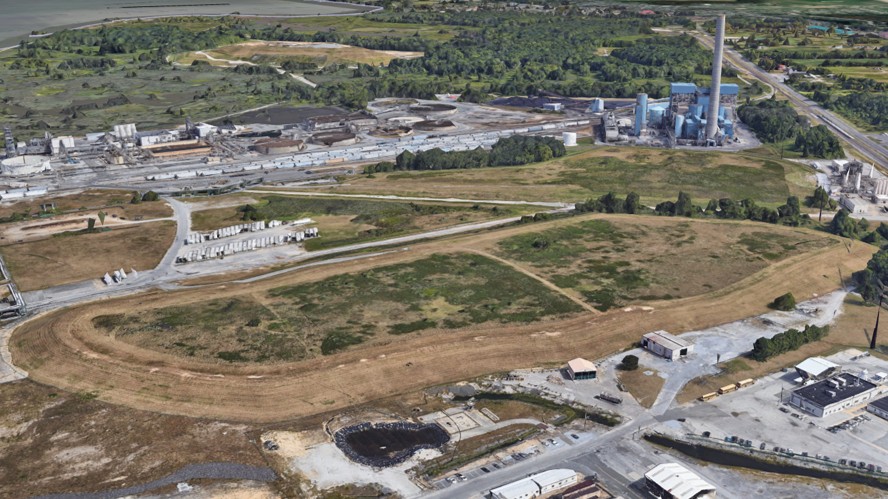
This project included assessment of DNAPL distribution in a hazardous waste landfill and management of a treatability study that included bench tests of enhanced surfactant recovery.
Developed the conceptual site model and technical basis for remediation of a 28-acre hazardous waste landfill at a major chemical manufacturing facility. Integrated historical operational records, geology, hydrogeology, soil, sludge, groundwater, and chemical characterization data to evaluate contaminant source architecture, groundwater impacts, and long-term remedial strategies.
Key Contributions
- Developed a conceptual site model describing relationships among landfill waste deposits, sludge source zones, DNAPL occurrences, and groundwater contamination.
- Performed quantitative contaminant mass-distribution analyses to identify dominant source materials and prioritize remediation targets.
- Developed a contaminant prioritization methodology that integrated contaminant abundance, groundwater mobility, and groundwater quality criteria to identify contaminants most likely to drive long-term risk and remediation requirements.
- Evaluated analytical results and demonstrated that Tentatively Identified Compounds (TICs) represented a substantial fraction of contaminant mass, materially affecting remedial technology selection.
- Analyzed contaminant solubility relationships and groundwater chemistry to identify likely DNAPL source areas and evaluate persistence of contaminant mass within the landfill.
- Applied phase-partitioning and aqueous-solubility analyses to distinguish dissolved-phase contamination from continuing NAPL source conditions.
- Identified significant vertical and lateral contaminant heterogeneity and evaluated implications for pilot-test design, reagent delivery, and treatment performance.
- Quantified contaminant distribution among multiple waste units and source materials to support remedial prioritization and source-control strategies.
- Presented findings and technical recommendations to independent Science Advisory Board for peer review.
“… he impressed me with his ability to build coherent conceptual models of contamination based on sound analysis and integration of multiple datasets. He was able to describe contaminant behavior at multiple scales, while at the same time focusing on the key issues and conveying the big picture.”
– Lisa Axe, PhD, Client’s Science Advisory Board Member, and Professor, New Jersey Institute of Technology, Department of Chemical Engineering
Picture below: Effluent samples from surfactant flushing bench-scale test of groundwater and DNAPL sample. Injection of surfactant results in DNAPL mobilization (1) and then complete mobilization and solubilization (2-6).